
Who is Permaculture Pathways?
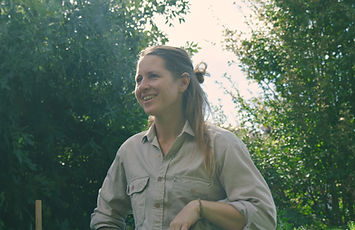
Hi, I’m Lauren, the founder of Permaculture Pathways.
My work sits at the intersection of sustainability, design, and community development—supporting individuals, organisations, and communities to turn ideas into practical, real-world outcomes. I came to this work through a mix of study and lived experience. After completing a Master’s in International and Community Development, I was searching for practical ways to create positive change. Discovering permaculture gave me a framework to move beyond theory and into solutions that support both people and the natural systems we rely on.
Over the past decade, I’ve worked across a range of settings—from private properties and community projects to education and training—designing and implementing systems that are grounded in place, people, and purpose. My work brings together systems thinking, ecological design, and a strong focus on creating solutions that are both effective and achievable.
Since 2020, I’ve also been delivering and coordinating the Certificate IV in Permaculture within the VET sector, alongside running workshops and training programs. Through this, I’ve developed a strong ability to translate complex sustainability concepts into clear, practical actions that people can confidently apply. While permaculture remains a foundation of my work, my focus has expanded to support broader sustainability outcomes. I now work across consulting, design, education, and community engagement to help create systems that are resilient, adaptable, and grounded in real-world application.
At its core, my work is about making sustainability feel practical and achievable—helping people and organisations take meaningful steps toward more resilient and connected futures.
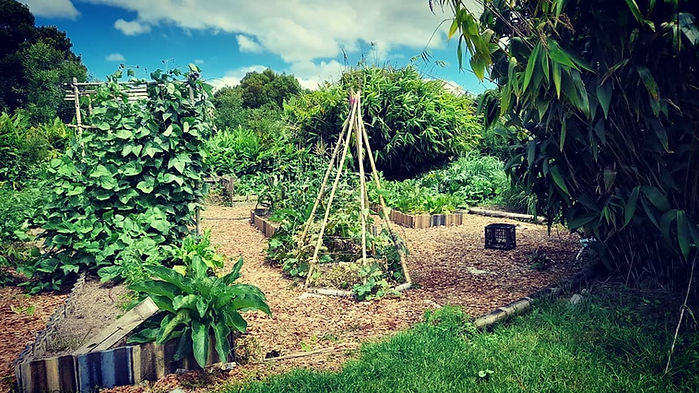
At its core, sustainability is about understanding the relationships between people, systems, and the natural environment. When these connections are strengthened, it creates opportunities to restore balance, improve resilience, and deliver outcomes that benefit both communities and the ecosystems they depend on.
Experience & Background
Permaculture pathways
founder & consultant
2015 - present
-
Deliver sustainability consulting, regenerative design, and education services
-
Work with individuals, communities, and organisations
-
Design and implement practical, place-based systems
Certificate IV in Permaculture — Trainer & Assessor (VET Sector)
2020 - 2024
-
Deliver and coordinate accredited training
-
Develop and assess course materials aligned with industry standards
-
Support learners to apply sustainability principles in real-world contexts
Community & International Development Projects
Various roles | Australia & International
-
Designed and delivered community-based sustainability initiatives
-
Facilitated workshops and engagement programs
-
Worked across diverse cultural and environmental contexts

Want to dive a bit more into what permaculture is at it's heart? Check out this short docuseries.
Permanent Culture - A journey into Permaculture by Incommun Films, 2022
First act- A view from permaculture
A view from Permaculture is the first of three acts that compose Permanent Culture, a series documentary filmed in the region of Northern Rivers, Australia. Permanent Culture brings a philosophical view from some challenges that our modern society faces and some possible solutions that we can achieve through Permaculture.
The voices of Lauren O’Reilly, Robyn Francis, Bunya and Clark Dawson are heard in order to understand the current scenario of Permaculture and to give hope to the ones seeking for a better future.

What Is Permaculture?
Permaculture, a term coined from "permanent agriculture" and "permanent culture," is a holistic approach to designing sustainable living environments that mimic the patterns and relationships found in nature. It's a philosophy and practice that integrates land, resources, people, and the environment through mutually beneficial synergies—imitating the no-waste, closed-loop systems seen in diverse natural ecosystems.
In Australia, permaculture has taken root with particular vigor, reflecting the country's diverse climates, from arid regions to lush temperate zones. Australian permaculture pioneers, such as Bill Mollison and David Holmgren, have been instrumental in its development and global spread, emphasizing practices that are adaptable, resilient, and sustainable. These practices include, but are not limited to, water harvesting and management, soil regeneration, forest gardening, and the creation of microclimates.
Permaculture in Australia is not just about gardening or farming; it's a way of life that fosters community resilience, self-reliance, and a deep respect for the natural world. It encourages individuals and communities to produce their own food, reduce waste, and create energy-efficient habitats, aligning closely with principles of ecological and social sustainability.
At its core, permaculture is about aligning with nature in all aspects of farming and gardening, acknowledging our integral role within the ecosystem. It encourages us to examine our choices and their impact on this interconnected system. Central to permaculture are three ethics: Earth Care, People Care, and Fair Share. These ethics guide every permaculture practice, ensuring that it nurtures the planet, supports human communities, and promotes equity and resource sharing.
This approach has inspired a growing number of Australians to embrace permaculture principles in their gardens, farms, and urban environments, leading to a more sustainable and environmentally conscious way of living. With its emphasis on practical, hands-on solutions and community engagement, permaculture offers a hopeful and effective strategy for addressing environmental challenges and promoting a healthier planet for future generations. Permaculture is inclusive and adaptable, welcoming diverse cultures and ideas, provided they align with its core ethics. It is guided by principles developed by David Holmgren, which serve as valuable lessons in applying permaculture design effectively.
For me, the most profound aspect of permaculture is the deep, intimate relationship it fosters with nature in all her diversity and complexity. This connection is not only ecological but also spiritual, offering healing for both the earth and ourselves. It reminds us of our deep, unbreakable bond with the natural world, a spiritual truth that has been obscured for too long. This realization brings immense comfort and keeps me grounded.
If you're intrigued by permaculture and eager to explore further, I encourage you to visit David Holmgren's website or look for Permaculture Design Certificate (PDC) courses in your area. A PDC is an excellent gateway into the world of permaculture, setting you on a path of sustainable living and ecological harmony.


Get In Touch
I'd love to hear from you. If you're interested in living a more sustainable life, in tune with nature, get in touch so we can discuss creating your garden paradise.